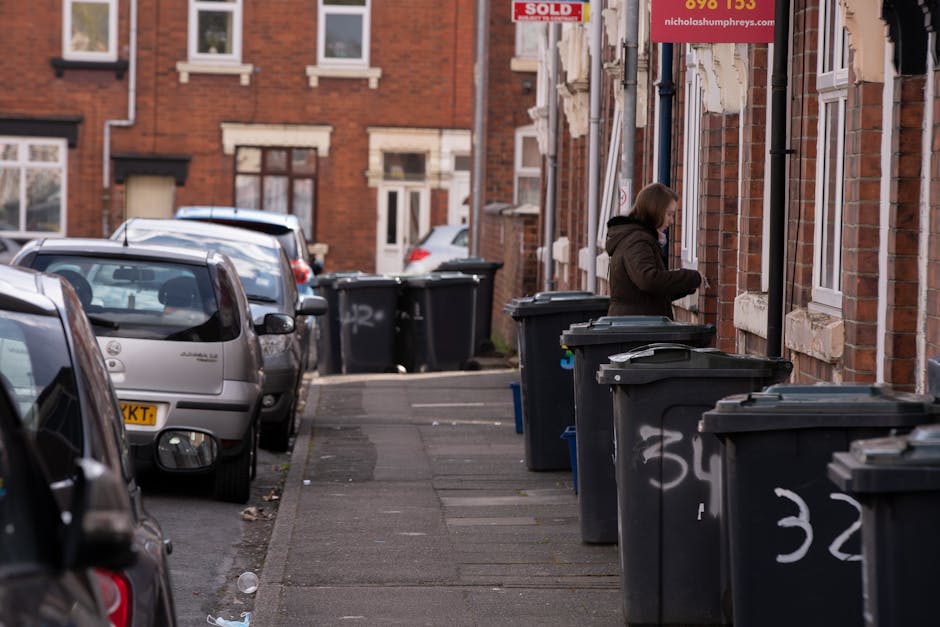
Rubbish collection tips for Mitcham Junction homes

If you live near Mitcham Junction, rubbish can build up faster than you expect. A bit of DIY here, a wardrobe refresh there, a garden tidy at the weekend, and suddenly the hallway looks like a holding bay. That is exactly where smart rubbish collection tips for Mitcham Junction homes come in: not as a fancy idea, but as a practical way to keep your home clear, safe, and a lot less stressful.
The good news? You do not need to overcomplicate it. With the right sorting habits, a sensible collection plan, and a few small checks before anything leaves the property, you can avoid missed pickups, surprise costs, and those awkward moments when you realise a broken appliance or old paint tin does not belong in the regular bin. In this guide, we will walk through the real-life stuff that helps homes stay on top of waste, without turning the process into a chore.
You will also find a simple comparison of disposal options, a checklist, and a few local-minded tips that make everyday rubbish collection feel more manageable. Let's face it, nobody wants a pile of bags sitting by the front door longer than necessary.
Why rubbish collection matters
Rubbish collection is not just about getting rid of things you no longer want. For Mitcham Junction homes, it affects how easily you can use your space, how clean your property feels, and how much hassle you create for yourself later on. A few overlooked items can quickly become a full-blown clearance job, especially in smaller homes, flats, or properties with limited storage.
There is also a practical side that people sometimes forget. Mixed waste is harder to handle, some items cannot go in standard household collections, and heavy or awkward rubbish can create lifting risks. If you have ever tried to move an old sofa down narrow stairs on your own, you already know this is not one of those tasks that improves with optimism.
Good rubbish habits also support recycling. Separating reusable, recyclable, and general waste before collection gives you better control over what happens next. That matters whether you are handling everyday waste, bulky items, garden waste, or leftover debris after a tidy-up.
If your home is due a bigger clear-out, services such as home clearance or house clearance can be a better fit than trying to manage everything through ordinary bin day alone. For one-off bulky loads, that distinction really matters.
How rubbish collection works
At a practical level, rubbish collection usually follows a simple flow: sort the waste, decide what can be reused or recycled, arrange the right collection method, and make sure the items are ready for removal. The exact process depends on the type and volume of rubbish involved.
For small amounts, regular household disposal may be enough. For larger loads, a bulky pickup, skip, or specialist waste removal service is often the more realistic option. That becomes especially useful when you are dealing with items that are too large, too heavy, or too mixed to handle in a standard bin cycle.
In a typical home, you may end up dealing with several waste streams at once. For example:
- general household rubbish from decluttering
- cardboard and packaging from deliveries
- garden cuttings after seasonal maintenance
- old furniture that has reached the end of its life
- appliances that need separate handling
- bagged waste from loft, garage, or shed clear-outs
That is why a little planning helps. If you want a broader disposal route for mixed domestic waste, waste removal is often the most straightforward option. And if you are still weighing how much volume you actually have, understanding what can go in a skip can stop you from making avoidable mistakes before collection day.
Key benefits and practical advantages
When rubbish is managed properly, the benefits are immediate. Your home feels calmer, rooms are easier to clean, and you stop tripping over things that should have gone weeks ago. Small win? Maybe. But those small wins add up quickly.
Here are the most useful advantages for Mitcham Junction households:
- Better space use: clearing out waste makes bedrooms, lofts, garages, and hallways usable again.
- Lower stress: less clutter means fewer mental nudges every time you walk past the pile.
- Safer movement: fewer obstructions reduce trip hazards and lifting strain.
- Cleaner home environment: waste is less likely to attract damp smells, pests, or mess.
- More efficient recycling: separating items improves the chance they are handled properly.
- Less disruption: a planned collection is usually easier than repeated ad hoc trips to the tip.
There is also a very real timing advantage. If you are preparing for guests, moving house, selling furniture, or updating a room, getting rubbish out early makes the rest of the job feel lighter. Truth be told, decluttering is always easier once the awkward bits are already gone.
For larger furniture or household items, it may be more efficient to use a dedicated service such as furniture disposal or mattress and sofa disposal. That saves effort and reduces the chance of damaging walls, floors, or your back in the process.
Who this is for and when it makes sense
These tips are useful for almost any Mitcham Junction home, but they are especially relevant if your waste is growing faster than your bin capacity. That can happen to anyone. A spring clear-out becomes a mini renovation project. A couple of new purchases arrive in cardboard boxes. The garage quietly turns into a storage unit for things you meant to sort out last year.
This guide makes the most sense for:
- families dealing with constant household waste
- flat residents with limited storage or bin space
- homeowners clearing lofts, garages, or spare rooms
- people replacing furniture or appliances
- tenants moving out and needing a fast tidy-up
- landlords preparing a property between occupiers
- anyone planning a bigger home reset, room by room
If you live in a flat or smaller property, bulk rubbish can become awkward quickly. Narrow access, shared entrances, and limited outside space all make planning more important. A service like flat clearance may be more practical than trying to shift everything in stages. And if your rubbish includes old chairs, tables, wardrobes, or mixed home items, furniture clearance can keep the process simple.
It also makes sense when you want fewer trips, fewer bags, and fewer surprises. You know the feeling: one job turns into five. Better to plan it once and be done with it.
Step-by-step guidance
Here is a clear way to approach rubbish collection at home without turning it into an all-day headache.
- Walk the property room by room. Start with the places rubbish hides: under stairs, in cupboards, on shelves, in the loft, behind furniture, and in the garage.
- Separate items by type. Put general waste, recyclables, bulky items, electricals, and anything potentially hazardous into different groups.
- Decide what is reusable. Some items may still have life left in them, even if they are no longer useful to you.
- Check what needs special handling. Fridges, appliances, sharp objects, and chemicals need a bit more care than standard rubbish.
- Measure the load, roughly. You do not need millimetre precision, just enough to know whether you are dealing with bags, a few bulky items, or a full clearance.
- Choose the collection method. Regular bin collection, skip hire, or a specialist waste removal service each suits different needs.
- Prepare access. Make sure paths, gates, and doorways are clear so collection is quick and safe.
- Keep documentation where needed. If the collection involves larger loads, ask how items will be handled and whether any records are provided.
A simple example: if you are clearing a spare room and the pile includes a broken desk, a mattress, some bagged household rubbish, and a couple of old appliances, that is no longer a "bin day" problem. It is a planned removal job. In situations like that, fridge and appliance removal can be especially helpful because white goods need separate treatment.
If the job has become a bit larger than expected, do not panic. That happens all the time. Better to pause and choose the right route than to force everything into the wrong disposal method.
Expert tips for better results
There are a few habits that make rubbish collection far smoother, and most of them are simple enough to start today.
- Use one staging area. Pick a single corner, room, or sheltered outdoor spot for waste waiting to go. Scattering bags everywhere only creates confusion.
- Flatten cardboard early. It saves space immediately and makes everything easier to stack.
- Remove liquids before moving items. An old paint tin with contents sloshing about is a nuisance, and sometimes a safety issue too.
- Keep metal, wood, and mixed waste apart where possible. This helps with sorting and can make recycling simpler.
- Plan bulky item removal before your clean-up day ends. Leaving a sofa or wardrobe to "deal with later" usually means later becomes next weekend.
- Use gloves and proper shoes. Basic, yes. Also one of those things people forget until a splinter or stubbed toe reminds them.
One practical tip from day-to-day experience: try sorting while you still have momentum. Once you start moving things from the loft or garage, keep the flow going. Half-finished clearance piles have a strange way of multiplying overnight. They just do.
If you need to compare disposal routes before booking, the page on pricing and quotes may help you understand how different jobs are approached. If your priority is keeping waste handling efficient and environmentally sensible, recycling and sustainability is worth a look as well.
Common mistakes to avoid
A lot of rubbish collection problems come from a few repeat mistakes. None of them are dramatic on their own, but together they can turn a simple job into a frustrating one.
- Mixing everything together. Once waste is mixed, it becomes harder to sort and may limit recycling options.
- Leaving collections too late. If you wait until the hallway is full, you reduce your choices and increase the pressure.
- Forgetting about restricted items. Some waste needs specialist handling, not a standard collection.
- Underestimating volume. "It's only a few bits" can become two van loads very quickly. Sneaky, really.
- Blocking access routes. Bags in front of doors, gates, or stairs slow everything down.
- Ignoring weight and lifting risks. Heavy furniture and appliances are not worth a strain injury.
Another common issue is assuming every disposal method works for every item. It does not. That is why a bit of pre-checking saves time. For example, if you are handling paint, solvents, batteries, or other potentially risky materials, look at hazardous waste disposal rather than guessing. Guessing is rarely a good waste strategy.
And one more: do not forget the awkward corners of the home. The loft, shed, and garage are where the most stubborn clutter tends to live.
Tools, resources and recommendations
You do not need special equipment to manage household rubbish well, but a few basics make a noticeable difference.
- Heavy-duty bin bags: useful for general waste and smaller mixed clear-outs.
- Gloves: essential for handling dusty, sharp, or damp items.
- Dust sheet or tarp: helps keep floors clean while you sort.
- Marker pen: handy for labelling bags or boxes by room or waste type.
- Box cutter or scissors: useful for breaking down packaging safely.
- Trolley or sack truck: practical for moving heavy items, if you have one.
For larger home projects, think about whether the waste is mostly general rubbish, bulky household items, garden debris, or renovation leftovers. That decision changes the best route. For example, garden cuttings often fit naturally into a garden clearance job, while garage and shed clutter is usually better handled through garage clearance.
If your clear-out includes old paperwork or sensitive material, the service page for confidential shredding is relevant too. That is one of those quiet little details people forget until a box of documents is sitting on the kitchen table.
Law, compliance and best practice
For home rubbish collection, the safest approach is to follow accepted UK waste practice: separate waste sensibly, do not dump items where they do not belong, and make sure any service you use handles waste responsibly. If a collection involves household, bulky, or mixed waste, it is sensible to choose a provider that explains how waste is managed and recycled.
There are also practical safety expectations. Items should be moved in a way that does not put you or anyone else at risk. Sharp edges, broken glass, old appliances, and damp waste all deserve caution. A tidy load is not just neater; it is safer to move and easier to process.
For residents who want a better sense of how a professional waste service approaches risk, health and safety policy and insurance and safety are useful pages to review. They help set expectations for how careful collection work should be handled.
If your home job happens to overlap with repair work, refurbishment, or a small renovation, builders' waste also needs attention. In that case, builders waste clearance may be the better route for rubble, offcuts, and mixed construction debris.
Best practice is simple: do not leave waste in doubt. If something feels awkward, risky, or too bulky for ordinary collection, treat it as a separate category and plan accordingly. That one habit prevents a lot of mess.
Options and comparison table
Choosing the right collection method depends on how much you need to remove and what kind of waste it is. Here is a plain-English comparison.
| Method | Best for | Strengths | Limitations |
|---|---|---|---|
| Regular household collection | Small everyday rubbish | Convenient, familiar, low effort | Limited capacity, not suitable for bulky or specialist items |
| Skip hire | Ongoing clear-outs, mixed waste, DIY jobs | Good for larger volumes, flexible while the skip is onsite | Needs space, loading planning, and item checks |
| Specialist waste removal | Bulky items, mixed home clutter, fast clearances | Quick, practical, often best for awkward items | May not suit very small jobs |
| Furniture-specific disposal | Sofas, wardrobes, beds, tables | Better handling for large household items | Not ideal if you also have lots of small mixed rubbish |
If you are unsure, start with the waste itself rather than the method. Ask: is this mostly general rubbish, bulky furniture, garden waste, or renovation material? That answer usually points you in the right direction.
For some homes, the right choice is a blend. For example, a garage clear-out may be mostly junk and packaging, but one or two large items may need a dedicated removal route. That is where services like furniture clearance and garage clearance can sit neatly alongside general waste collection plans.
Case study or real-world example
Consider a typical Saturday in a Mitcham Junction home. The family starts by clearing a spare room that has quietly become storage for old toys, a broken chair, cardboard boxes, and a couple of bags of mixed household waste. By midday, there is a mattress in the corner, a disassembled bookcase in the hall, and a fridge that has been moved out of the utility space.
At that point, trying to manage everything through regular bin collection would be a headache. The family would need several trips, and some items would not be suitable anyway. Instead, they sort the smaller waste into bags, separate the appliance, and set aside the furniture. The room is cleared in a single sweep, the access path is kept open, and the whole job feels manageable rather than chaotic.
That is the practical value of planning. Not glamorous. Just effective.
In a similar home, a resident might decide to combine fridge and appliance removal with mattress and sofa disposal after a move. That keeps the job tidy and avoids dragging different heavy items around on separate days. And honestly, that is usually the calmer way to do it.
Practical checklist
Use this checklist before you arrange any collection:
- Walk through the home and identify all waste areas.
- Separate general rubbish from bulky items and special waste.
- Remove anything reusable or donate-worthy.
- Break down cardboard and packaging.
- Check for appliances, sharp items, or hazardous materials.
- Measure or estimate the total volume.
- Clear a safe access route to the collection point.
- Decide whether you need a skip, waste removal, or item-specific disposal.
- Keep the load dry if possible.
- Ask yourself one last question: is there anything here that should not be treated as ordinary rubbish?
Expert summary: The best rubbish collection plan is the one that matches the waste you actually have, not the waste you hoped you had. Sort first, choose the method second, and keep bulky or risky items separate from the start.
If you are ready to take the next step and prefer a straightforward service path, you can book online once you know what needs removing. If you want background on the business before you decide, the about us page is also there for a closer look.
Conclusion
Rubbish collection tips for Mitcham Junction homes do not need to be complicated to be effective. The real trick is to treat waste as part of the home's routine, not as an afterthought that only gets attention when the bags start stacking up. Sort early, keep bulky items separate, and choose the collection method that fits the job rather than forcing the job to fit the method.
That approach saves time, reduces stress, and makes your home feel lighter in a very literal way. A clearer hallway, a cleaner garage, a tidier spare room - these are small things, but they change how a home feels day to day.
Get a free quote today and see how much you can save.
And if the job feels bigger than expected, that is normal. Start with one room, one pile, one decision. You will get there.
Frequently Asked Questions
What is the best way to organise rubbish collection at home?
The best approach is to sort waste by type first, then decide whether it can go in regular household collection, a skip, or a specialist removal service. This prevents mix-ups and saves time.
Can I put bulky items out with normal rubbish?
Usually not. Large items like sofas, mattresses, wardrobes, and appliances often need separate handling, especially if they are heavy or awkward to move.
How do I know if I need waste removal instead of a skip?
If you want the waste taken away quickly and do not have room for a skip, waste removal is often more practical. If you are doing a bigger clear-out over time, a skip may suit you better.
What should I do with old appliances?
Appliances should be kept separate from general rubbish. Fridges, washing machines, cookers, and similar items are best handled through a dedicated appliance removal route.
Is it worth sorting recycling before collection?
Yes. Sorting recyclable material from general rubbish makes the job cleaner and can improve how the waste is handled afterwards.
Can I mix garden waste with household rubbish?
You can physically mix them, but it is usually better not to. Keeping garden waste separate makes disposal easier and helps avoid unnecessary sorting problems.
What is the safest way to move heavy waste?
Use proper lifting technique, wear suitable footwear, and get help with bulky items. If something feels too heavy or awkward, it probably is.
How do I deal with waste from a loft or garage clear-out?
Sort items on site, remove anything hazardous or bulky first, and then decide whether you need a general waste service or a more specific clearance option.
Do I need to prepare items before collection?
Yes, a little preparation helps a lot. Bag loose waste, flatten boxes, separate special items, and keep access routes clear.
What if I have mixed rubbish and furniture together?
That is common. In many cases, a combined clearance approach works better than trying to handle each item separately.
How far in advance should I plan rubbish collection?
For small loads, not long. For larger clear-outs, give yourself enough time to sort, measure, and choose the right collection method without rushing.
Where can I find more information about safe waste handling?
Useful site pages include health and safety policy, insurance and safety, and recycling and sustainability. They help set expectations for responsible waste management.
Sometimes the simplest rubbish plan is the best one: sort clearly, remove calmly, and keep the home moving forward. That little bit of order can make a bigger difference than people expect.