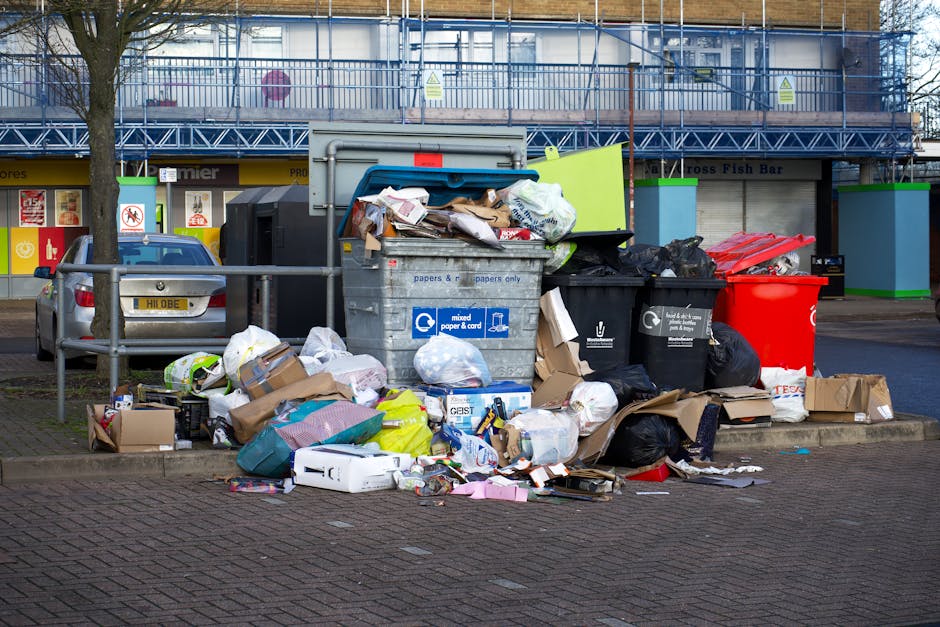
Mitcham Common guide to rubbish removal services
If you are dealing with a growing pile of waste, a half-cleared room, or a garden that has got a bit out of hand, the right Mitcham Common guide to rubbish removal services can save you time, stress, and a few sore backs. Truth be told, rubbish has a habit of spreading when life gets busy. One bag becomes three, then a broken chair appears, then somehow there is also a fridge in the corner. This guide walks you through how local rubbish removal works, what to expect, and how to choose a service that feels straightforward rather than complicated.
We will cover the practical side too: what can usually be removed, when a specialist service makes sense, what to check before booking, and how to avoid the common mistakes people make when they just want the job done quickly. If you are comparing options, you may also find it useful to look at general waste removal support, pricing and quotes, and the company's recycling and sustainability approach.
Table of Contents
- Why Mitcham Common guide to rubbish removal services Matters
- How Mitcham Common guide to rubbish removal services Works
- Key Benefits and Practical Advantages
- Who This Is For and When It Makes Sense
- Step-by-Step Guidance
- Expert Tips for Better Results
- Common Mistakes to Avoid
- Tools, Resources and Recommendations
- Law, Compliance, Standards, or Best Practice
- Options, Methods, or Comparison Table
- Case Study or Real-World Example
- Practical Checklist
- Conclusion
- Frequently Asked Questions
Why Mitcham Common guide to rubbish removal services Matters
Rubbish removal matters because waste is rarely just "waste". It can block access, create hazards, attract pests, slow down a move, or make a property hard to use properly. In homes around Mitcham Common, that might mean a packed loft, a garage you cannot park in, or a garden path buried under branches and old bags. In small businesses, it can mean lost storage space, cluttered offices, or piles of packaging left after deliveries.
There is also the simple fact that not all waste is the same. A few black bags are one thing. Broken furniture, renovation debris, fridges, mattresses, or mixed bulky items are another. A clear, local rubbish removal plan helps you separate what can go together, what needs special handling, and what should never be left to chance.
For many people, the real value is not only taking stuff away. It is getting the space back. You notice it instantly. The room feels bigger, the air feels lighter, and suddenly the next job seems manageable instead of looming over you like a small mountain.
Expert summary: The best rubbish removal service is not just fast. It is safe, lawful, tidy, and clear about what happens to your waste after collection.
How Mitcham Common guide to rubbish removal services Works
Most rubbish removal services follow a simple process. First, you explain what needs to go. Then the provider estimates the load, the access, and the type of waste. After that, a team arrives, loads the items, and transports them for sorting, disposal, or recycling. Easy enough on paper. In practice, good planning makes a big difference.
For example, a garden clearance may involve soil, branches, broken pots, and old fencing. A house clearance may include furniture, clothing, books, small appliances, and general household clutter. Each type of waste can affect the time needed, the vehicle size, and the disposal route. That is why a photo or a short description is often more useful than a vague "there's a bit of stuff". Let's face it, "a bit of stuff" can mean anything from one sofa to a packed shed.
If you need a broader overview of related services, a service such as house clearance or home clearance may suit a larger decluttering job, while garden clearance is often better for outdoor waste and seasonal tidy-ups.
What happens next usually depends on the provider's working method. Some offer same-day or next-day collection, while others schedule a slot in advance. Good services should explain whether they sort items for reuse or recycling, whether any items need to be separated beforehand, and whether there are restrictions on hazardous waste or electricals.
Key Benefits and Practical Advantages
The obvious benefit is convenience, but that is only the beginning. Rubbish removal can also reduce risk, save time, and help you avoid unnecessary trips to disposal facilities. If you have ever tried to load a heavy wardrobe into a car that is clearly not up to the task, you will know the feeling. It is awkward, noisy, and usually ends with someone muttering about the hinges.
- Faster turnaround: A team can usually clear a large load much more quickly than doing it yourself.
- Less physical strain: Helpful for heavy, awkward, or bulky items.
- Better sorting: Mixed waste can be separated for recycling or specialist disposal.
- Cleaner finish: A professional clearance tends to leave the area ready for use sooner.
- More flexibility: Useful for one-off clearances, regular business waste, or unexpected items.
There is also the quiet benefit of getting decision fatigue out of the way. Instead of wondering for weeks what to do with that broken freezer or the pile in the spare room, you make one call, book the work, and move on.
For business users, business waste removal can be especially useful when office storage is filling up with packaging, obsolete equipment, or general clutter that should not sit around any longer than necessary.
Who This Is For and When It Makes Sense
Rubbish removal services are not just for big house moves or renovation projects. They help in a surprising number of everyday situations.
- Homeowners: after a clear-out, purchase, refurb, or general declutter.
- Landlords and letting agents: when a tenancy ends and the property needs to be emptied.
- Tenants: before moving out, especially if you have bulky furniture to remove.
- Tradespeople: after construction or repair work leaves builders' waste behind.
- Small businesses: when offices, stockrooms, or storage areas need a reset.
- Families managing estates or inherited property: when a respectful, organised clearance is needed.
Some jobs are obvious candidates for specialist help. A flat with no lift, a loft full of mixed items, or a garage stacked floor to ceiling are all good examples. A service such as flat clearance or loft clearance can be a sensible fit when access is tight or the waste is hard to shift safely.
It makes sense when the job is too large, too awkward, too time-sensitive, or too mixed for a simple DIY approach. If you only have one or two small bags, you may not need a full collection. But once bulky items, heavy lifting, or compliance questions enter the picture, professional help starts to look a lot more attractive.
Step-by-Step Guidance
If you want the process to go smoothly, it helps to break it into stages. The whole thing becomes much less annoying that way.
- Identify the waste types. Separate general rubbish, bulky items, electrical items, garden waste, and anything potentially hazardous.
- Measure the rough volume. Count how many bags, what furniture is involved, and whether items are stacked or loose.
- Check access. Think about stairs, narrow hallways, parking, distance from the collection point, and whether the team will need extra time.
- Get a clear quote. Ask what is included, whether labour is part of the price, and whether there are extra costs for difficult items.
- Prepare the area. Move personal items out of the way and make sure the waste is reachable.
- Confirm restrictions. If you have fridges, solvents, paint, or other specialist items, check whether they can be handled separately.
- On collection day, stay available. A quick walk-through helps prevent mistakes and makes the job quicker.
For people dealing with specific item types, dedicated services can be more practical. A cluttered shed might be a garage clearance job. A pile of broken beds or an old armchair may be better suited to mattress and sofa disposal. That kind of matching saves time and reduces confusion.
If you are unsure what can be put together, this is where a guide like what can go in a skip can help you think through the categories, even if you are not actually hiring a skip. The logic is similar: keep waste types clear, and don't guess.
Expert Tips for Better Results
Here are a few small things that make a surprisingly big difference.
- Take photos before booking. Pictures are usually better than descriptions, especially for mixed loads.
- Group similar items together. It helps the team assess the job quickly.
- Put fragile items aside. Even if they are going, avoid accidental breakage around the house.
- Clear access first. A path to the items saves time and reduces the risk of damage.
- Ask about recycling. Good services should be able to explain how they handle reusable materials.
- Keep special waste separate. Chemicals, paints, batteries, and similar items often need separate handling.
One practical tip people often miss: if the clearance is part of a move or refurbishment, schedule it before the final pressure sets in. Late-stage clear-outs are where stress sneaks in. Everything feels louder, more urgent, and somehow there is always one last box you had forgotten about.
If you are clearing commercial premises, office clearance can be a useful route for desks, chairs, filing, and general office clutter. It is a neat fit when the space needs to be handed back or reset without a long interruption.
Common Mistakes to Avoid
Most problems with rubbish removal are avoidable. They usually happen because people are trying to save time and accidentally create more of it.
- Underestimating volume: A few bags can turn into a much bigger job once sorting starts.
- Ignoring access issues: Stairs, locked gates, parking limits, and narrow corridors matter more than people expect.
- Mixing restricted waste with general waste: That can slow the job or cause items to be refused.
- Choosing on price alone: The cheapest quote is not always the best value if it excludes important work.
- Leaving valuables or documents in the pile: It happens. More often than people admit.
- Forgetting to ask what happens next: Disposal, recycling, and traceability should be explained clearly.
There is a second layer here too: some people wait until the last possible moment, then expect a perfect outcome. It can be done, but the pressure is needless. A calmer schedule gives you better options and usually a better finish.
For homes with multiple rooms of mixed belongings, house clearance or home clearance is often the more sensible choice than treating it like a standard bin collection.
Tools, Resources and Recommendations
You do not need a complicated toolkit to manage a rubbish removal job well. A few simple things can make everything easier.
- Bin bags and tubs: useful for sorting small items before collection.
- Marker pens and labels: helpful if you are separating keep, donate, recycle, and remove.
- Phone camera: photos support faster quotes and clearer communication.
- Gloves and sturdy shoes: sensible for anyone moving items before the team arrives.
- Basic tape or ties: useful for bundling loose materials like cardboard or soft furnishings.
From a service perspective, it is worth checking a provider's information on insurance and safety, health and safety policy, and payment and security. These pages tell you a lot about how seriously a company handles the job behind the scenes.
If the waste includes electronic appliances, a dedicated fridge and appliance removal service may be the better option. It is one of those things that seems simple until you are staring at a heavy unit with awkward edges and a staircase.
Law, Compliance, Standards, or Best Practice
When rubbish removal involves mixed household waste, business waste, electrical items, or potentially harmful materials, good practice matters. In the UK, waste should be handled responsibly, and anyone collecting it should be able to explain what they can take and how it will be managed. You do not need to become a compliance expert, but you should expect a provider to be clear and careful.
For standard collections, the key best-practice points are simple: do not leave hazardous items mixed in with general rubbish, do not assume every material can go together, and do not hand waste to anyone who cannot explain their process sensibly. For business customers, document handling is especially important. Services such as confidential shredding can be useful when paper records or sensitive files need secure destruction.
If your project includes hazardous waste, the rules become stricter and the judgement required becomes higher. Items like chemicals, oils, asbestos-related materials, or contaminated waste should be treated as specialist cases. A dedicated hazardous waste disposal route is the safer option whenever there is doubt. Better to pause and check than to guess. That part is not glamorous, but it is very much worth doing.
Recycling and reuse are also part of best practice. A well-run service should aim to divert suitable items away from landfill where possible. That does not mean every item can be saved or reused, but it does mean the provider should have a sensible sorting approach rather than a shrug and a van.
Options, Methods, or Comparison Table
Choosing the right rubbish removal method depends on the type of waste, how much you have, and how much labour you want to do yourself. Here is a simple comparison.
| Option | Best for | Strengths | Limitations |
|---|---|---|---|
| DIY tip run | Small amounts of waste, occasional clear-outs | Can be cheap if you already have transport | Time-consuming, heavy lifting, multiple trips |
| Skip hire | Projects with steady waste generation | Good for ongoing jobs, flexible for builders' waste | Needs space, permits may apply, loading is your job |
| Man and van rubbish removal | Bulky, mixed, or awkward items | Fast, labour included, less effort for the customer | Usually cost depends on volume and access |
| Specialist disposal | Fridges, appliances, mattresses, hazardous items | Safer handling and more suitable processing | Not every item can be grouped together |
For building projects, a dedicated builders waste clearance service often fits better than general rubbish removal. For business premises, business waste removal is usually the cleaner choice because it is built around commercial volumes and regularity.
If you are uncertain, ask yourself one question: do I want to do the loading, sorting, and transport myself, or do I want the whole thing handled in one go? That answer usually points to the right method.
Case Study or Real-World Example
Here is a realistic example based on the kind of job many local households face. A family in a semi-detached house near Mitcham Common had a spare room that had quietly become storage. Old shelving, a broken chest of drawers, bags of clothing, a mattress, and a few small electrical items were stacked in a way that made the room feel smaller every month.
They started by sorting out what could stay and what needed to go. That took an hour, maybe a bit more, because the "keep" pile was smaller than expected. They then booked a collection, shared photos, and made sure the hallway was clear. On the day, the team removed the items without fuss, separated reusable materials where possible, and left the room ready for decorating.
The family had expected the biggest benefit to be convenience. In the end, it was the feeling of having the room back. The space looked brighter by late afternoon, and the house itself felt less cramped. Small thing? Maybe. But if you have lived with clutter for months, it does not feel small at all.
Jobs like this often overlap with furniture clearance and mattress and sofa disposal, especially when bulky items are the main problem.
Practical Checklist
Use this quick checklist before booking a rubbish removal service:
- Identify the main waste types.
- Separate hazardous or specialist items.
- Take a few clear photos.
- Measure access points and note stairs or parking issues.
- Ask what is included in the quote.
- Check whether labour, loading, and disposal are covered.
- Confirm how recyclable or reusable items are handled.
- Move personal belongings away from the collection area.
- Make sure someone is available to approve the load if needed.
- Keep proof of booking and payment details in one place.
Quick takeaway: the smoother the sorting and access, the smoother the collection. That sounds obvious, but it saves a lot of unnecessary back-and-forth.
Conclusion
A good rubbish removal service should make life easier, not add more admin to your week. The best approach is usually simple: know what you need removed, understand the type of waste, choose the right collection method, and work with a provider that explains things clearly. That is especially true when items are bulky, awkward, or mixed.
For Mitcham Common residents and local businesses, the smartest choice is often the one that balances convenience, compliance, and value. You do not need the fanciest setup. You need a service that turns clutter into progress without turning the whole thing into a headache. And honestly, there is something satisfying about seeing a cleared space at the end of the day. It changes the mood of a place. It really does.
If you are comparing services, reviewing the company's about us information and terms and conditions can help you understand how they work before you book. A little checking now tends to pay off later.
Get a free quote today and see how much you can save.
Frequently Asked Questions
What does a rubbish removal service usually take away?
Most services remove general household waste, bulky items, furniture, garden waste, office clutter, and mixed rubbish. Some also handle appliances, mattresses, and specialist items, but it is always best to check first.
How is rubbish removal different from skip hire?
Rubbish removal includes the loading and lifting, while skip hire usually means you fill the skip yourself. Skip hire suits ongoing projects, but rubbish removal is often easier for bulky or awkward items.
Can I book rubbish removal for just one item?
Yes, in many cases you can. A single sofa, mattress, fridge, or appliance may still be worth collecting if access and volume make sense for the job.
What should I do before the team arrives?
Clear a path to the waste, separate anything you want to keep, and make sure hazardous or sensitive items are not mixed in with general rubbish. A few photos beforehand can also help.
Do I need to sort everything before collection?
Not always, but light sorting makes the job easier and can help with recycling. If you have mixed loads, the provider may sort items further once they are collected.
Are electrical items accepted?
Often yes, but not every service handles every appliance. Fridges, freezers, and certain electricals may need specialist handling, so it is worth checking in advance.
What happens to recyclable waste?
Where possible, recyclable materials should be separated and processed appropriately. Reuse and recycling practices vary, so it is sensible to ask how the provider manages waste after collection.
Is rubbish removal suitable for office clear-outs?
Yes. It is a good option for desks, chairs, storage units, paper waste, and general office clutter. For sensitive documents, confidential shredding is a better companion service.
What if I have hazardous waste?
Do not mix hazardous items with normal waste. Paint, chemicals, oils, and similar materials often need specialist disposal. If in doubt, ask before booking and treat the item cautiously.
How do I know if I am getting a fair price?
A fair quote should explain what is included, how labour is charged, and whether access or heavy items may affect the total. Clear pricing is usually a good sign the service is well organised.
Can rubbish removal help with move-out deadlines?
Yes, it is often one of the best uses for the service. When you are under time pressure, having a team remove mixed waste quickly can take a lot of strain out of the move.
Is it worth using a professional service for garden waste?
Usually yes, especially if you have branches, bags of soil, fence panels, or mixed green waste. Garden jobs can look small at first, then turn into a proper slog once everything is piled up.
If you are ready to move from planning to action, a quick review of book online and the company's contact us page can help you take the next step with less fuss.